Science Powering the future of marine science
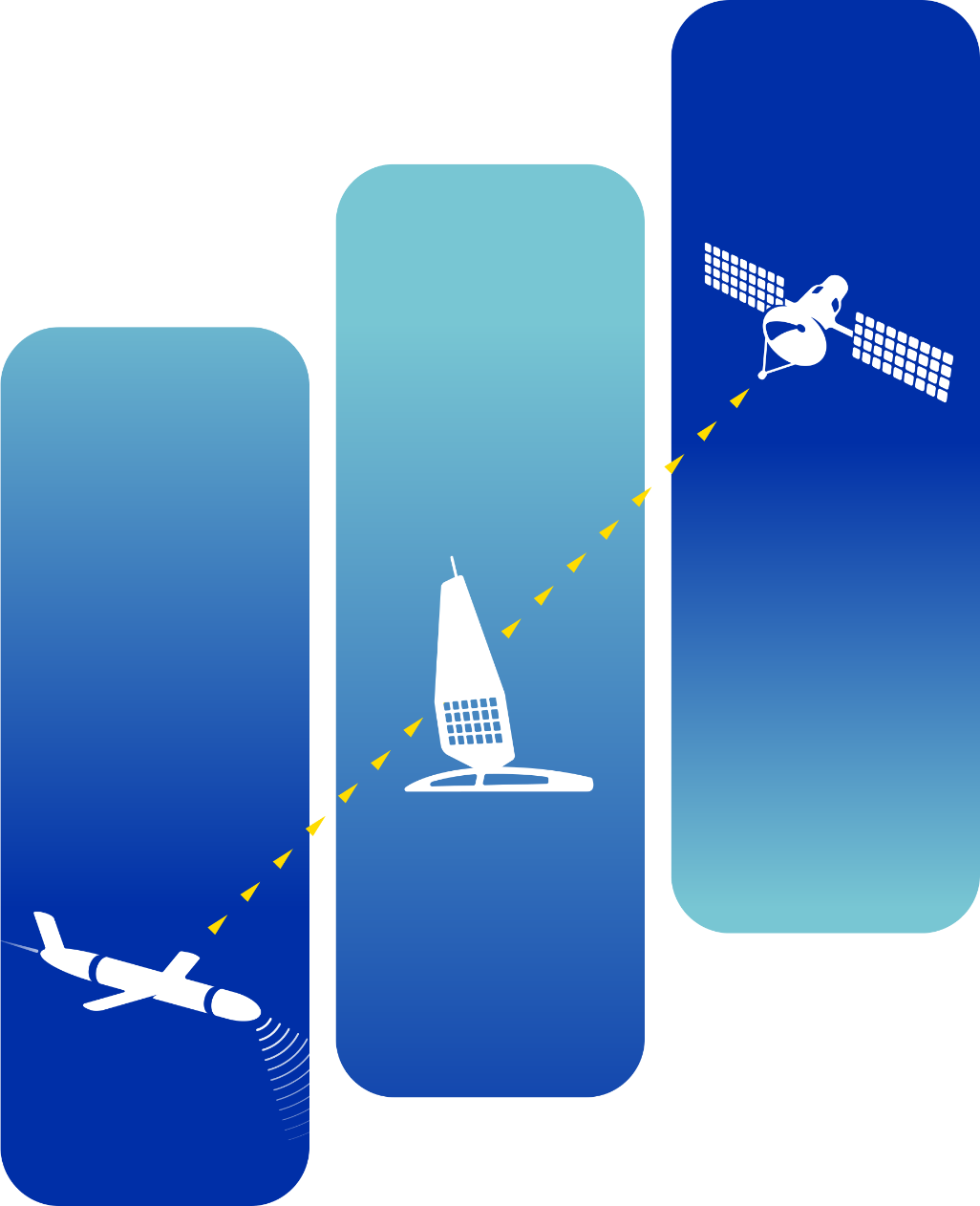
The Future Marine Research Infrastructure programme has a bold mission: to push the boundaries of environmental science while securing the UK’s position as a global leader in marine research.
At the heart of this ambition is a long-term investment in cutting-edge capabilities designed to unlock the next generation of ocean discovery. By delivering future-ready infrastructure, FMRI will enable the science that matters most, delivering insights and solutions with lasting benefits for society, the environment, and the economy.
By aligning infrastructure investment with the most urgent scientific challenges, FMRI will ensure the UK marine science community is equipped not just for today, but for the decades ahead.
Science led and community driven
The ‘UK Science Requirements Framework for Future Marine Research Infrastructure’ first published in 2025 is a community-driven report developed in close collaboration with researchers across the UK.
It identifies the critical scientific questions that are expected to define marine research through to 2040, ensuring that scientific priorities inform decisions on design, development, and delivery of the research infrastructure.
Tackling the biggest challenges facing our ocean
At its core, the Science Requirements Framework is organised around five Marine Science Grand Challenges – the defining issues shaping our ocean’s future and our understanding of it:
The role of the ocean in a changing climate
Monitoring and understanding the ocean is vital for predicting climate change, guiding sustainable actions, and safeguarding the planet’s future.
Protecting biodiversity and ocean health
Safeguarding marine life and ecosystems ensures healthy oceans, resilient biodiversity, and sustainable use that benefits both nature and society.
Marine pollution: its sources, distribution and solutions
Tracking ocean pollution and its sources supports decision making that can prevent and reduce environmental harm worldwide.
Strengthening resilience to natural hazards and extreme events
Understanding storms, floods, and extreme events help communities and ecosystems prepare, adapt, and withstand environmental impacts.
A sustainable blue economy and ecosystem services
Balancing economic growth with ecosystem protection supports sustainable use of ocean resources, benefiting livelihoods while preserving long-term ocean health.
Role of the Science Advisory Group
The Science Advisory Group provides expert, independent, and timely strategic science advice and input on behalf of the research community to the FMRI programme and UKRI-NERC.
The responsibilities of the SAG include:
Providing advice regarding the scientific aspects of the FMRI programme, seeking to maximise the benefits for the entire science community by ensuring that future capability aligns to current and expected future demands for oceanographic research and innovation across all disciplines.
Highlighting opportunities for complementarity with other initiatives, both nationally and internationally.
Acting as a channel for engagement between the wider science community and the FMRI programme, including proactively raising community views.
Meet Our Science Advisory Group