Ocean Health
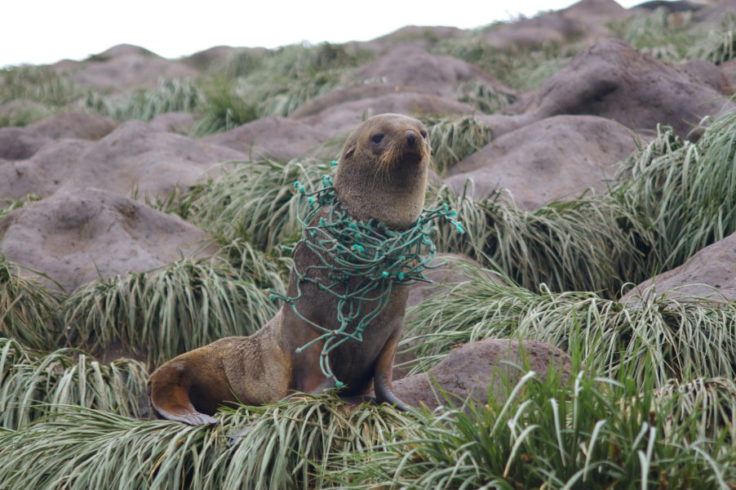
Marine pollution is part of the global “triple planetary crisis” alongside climate change and biodiversity loss, and tackling it demands world-leading marine science.
Pollution arises from many sources - plastics, chemicals, nutrients, noise, and light - and its effects ripple through ecosystems, economies, and human health. Because much of this pollution comes from land, solutions require coordinated monitoring, innovative technology, and collaboration across science, industry, and policy.
In my time as a biological oceanographer, I have seen the human footprint on the ocean grow faster than I ever expected. Wherever we look, from the surface waters of the Southern Ocean to the deep-sea floor, we find traces of pollution, which are altering the balance of marine ecosystems in ways we are only beginning to understand.
Better data leads to better ocean solutions
Pollution is threatening biodiversity, human health, and the future prosperity of the blue economy. However, I believe science can make a difference. World-class marine science is vital not only to detect and track pollution, but also to understand its long-term impacts, develop effective solutions, and guide smarter decisions for a cleaner, healthier ocean. With the right tools, advanced sensors, autonomous platforms, satellite monitoring, and integrated data systems, we can build the evidence needed to design real, practical solutions for reducing pollution and restoring marine ecosystems.
Leading global action through UK marine science
The UK has an extraordinary track record in marine science. By investing now in future-ready research infrastructure, we can stay at the forefront of global efforts to tackle pollution. This isn’t only about protecting marine wildlife, it’s about safeguarding the health, resilience and wellbeing of people everywhere.
Clara Manno is a Chapter Author for FMRI's report: ‘A UK Science Requirements Framework for Future Marine Research Infrastructure’. Developed through extensive consultation with the UK ocean science community, the SRF defines the outcomes and infrastructure needed to enable world-class marine science. It sets out a clear, evidence-based foundation to guide future investment - supporting the research essential to addressing some of the most urgent challenges facing our ocean.
Chapter: 'Marine pollution: its sources, distribution and solutions.'